LIBER XIII · CAPUT 18
THE LOTUS
Latine · Mayhoff 1906
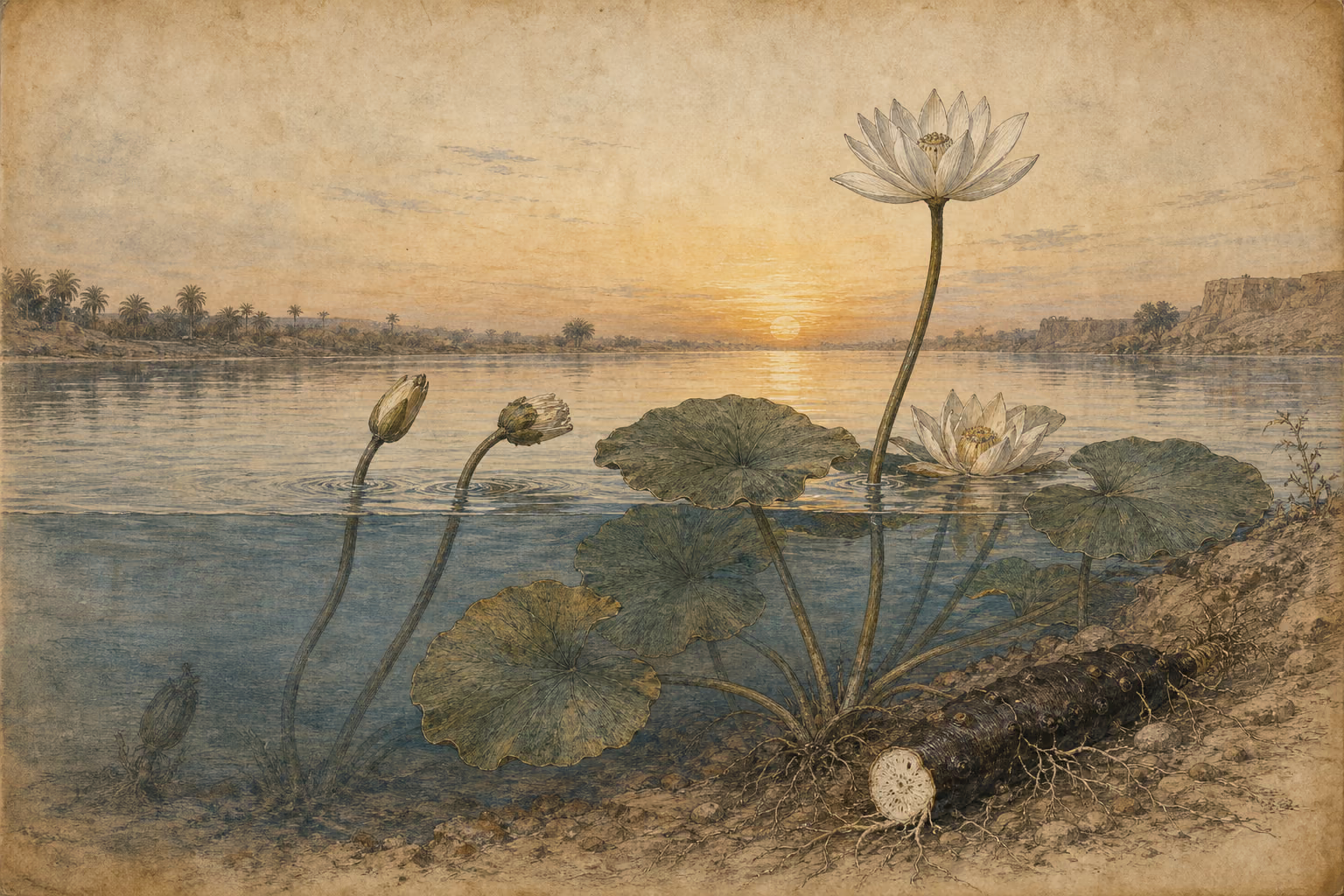
hoc amplius in Euphrate tradunt, et caput ipsum et florem vespera nergi usque in medias noctes totumque abire in altum, ut ne demissa quidem manu possit inveniri, reverti deinde paulatimque subrigi et ad exortus solis emergere extra aquam ac florem patefacere atque etiamnum insurgere, ut plane ab aqua absit alte. radicem lotos habet mali cotonei magnitudine, opertam nigro cortice, qualis et castaneas tegit. interius candidum corpus, gratum cibis et crudum, gratius decoctum sive aqua sive pruna. neque aliunde magis quam purgamentis eius sues crassescunt.
English · Bostock & Riley 1855–57
Even more than this, of the lotus of the Euphrates, it is said that the head and flower of the plant, at nightfall, sink into the water, and there remain till midnight, so deep in the water, that on thrusting in one’s arm, the head cannot be reached: after midnight it commences to return upwards, and gradually becomes more and more erect till sunrise, when it emerges entirely from the water and opens its flower; after which it still continues to rise, until at last it is to be seen raised quite aloft, high above the level of the water. This lotus has a root about the size of a quince, enveloped in a black skin, similar to that with which the chesnut is covered. The substance that lies within this skin is white, and forms very pleasant food, but is better cooked, either in water or upon hot ashes, then in a raw state. Swine fatten upon nothing better than the peelings of this root.