LIBER XIII · CAPUT 8
THE CAROB-TREE
Latine · Mayhoff 1906
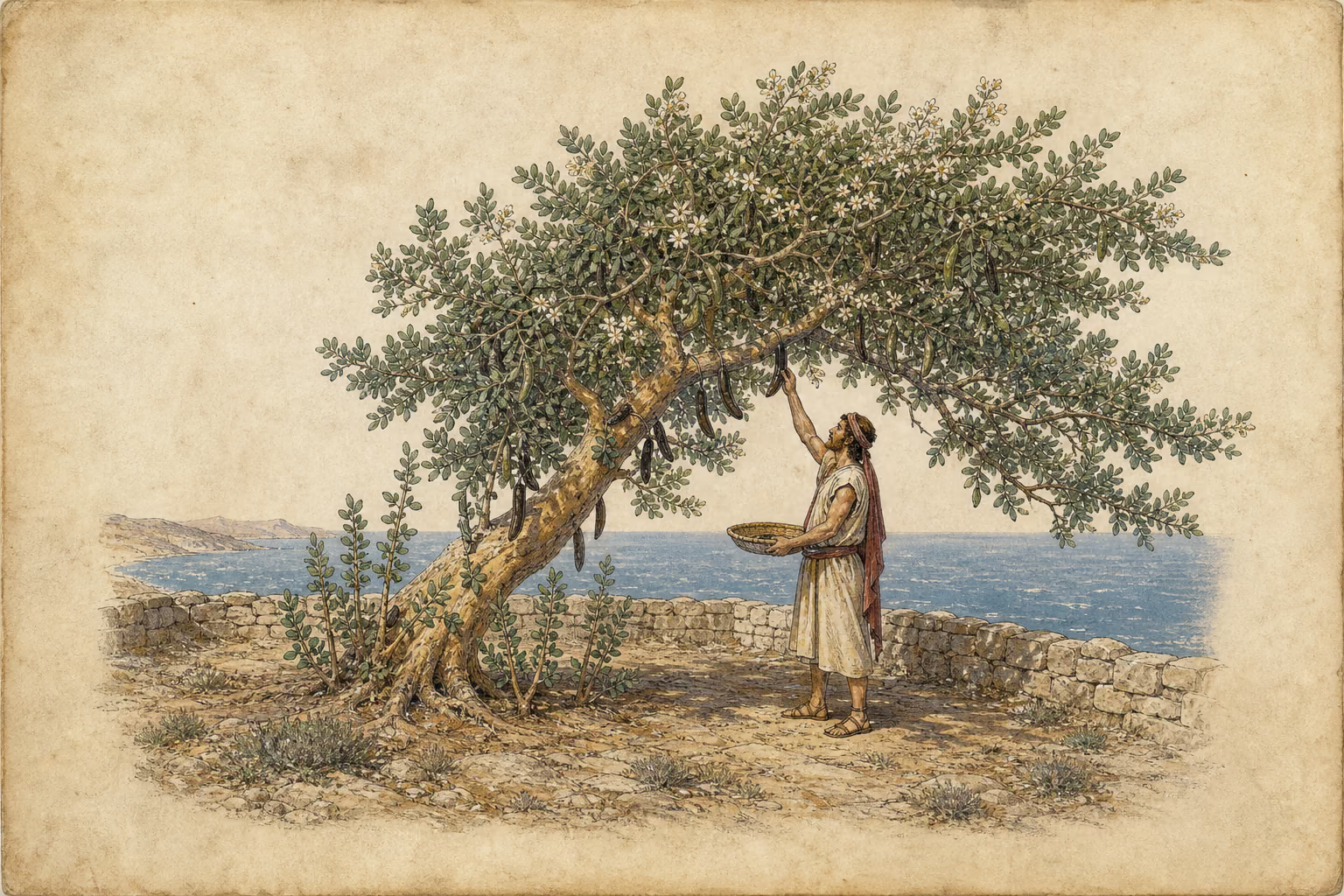
Similis et quam Iones cerauniam vocant, trunco et ipsa fertilis — pomum siliqua —; ob id quidam Aegyptiam ficum dixere, errore manifesto: non enim in Aegypto nascitur, sed in Syria Ioniaque et circa Cnidum atque in Rhodo, semper comantibus foliis, flore candido cum vehementia odoris, plantigera imis partibus et ideo superficie flavescens, sucum auferente subole. pomo antecedentis anni circa canis ortus detracto statim alterum parit, postea floret per arcturum, hieme fetus eius nutriente.
English · Bostock & Riley 1855–57
Similar to this is the carob-tree, by the Ionians known as the “ceraunia,” which in a similar manner bears fruit from the trunk, this fruit being known by the name of “siliqua,” or “pod.” For this reason, committing a manifest error, some persons have called it the Egyptian fig; it being the fact that this tree does not grow in Egypt, but in Syria and Ionia, in the vicinity, too, of Cnidos, and in the island of Rhodes. It is always covered with leaves, and bears a white flower with a very powerful odour. It sends forth shoots at the lower part, and is consequently quite yellow on the surface, as the young suckers deprive the trunk of the requisite moisture. When the fruit of the preceding year is gathered, about the rising of the Dog-star, fresh fruit immediately makes its appearance; after which the tree blossoms while the constellation of Arcturus is above the horizon, and the winter imparts nourishment to the fruit.