LIBER XIV · CAPUT 5
THE NATURE OF WINES
Latine · Mayhoff 1906
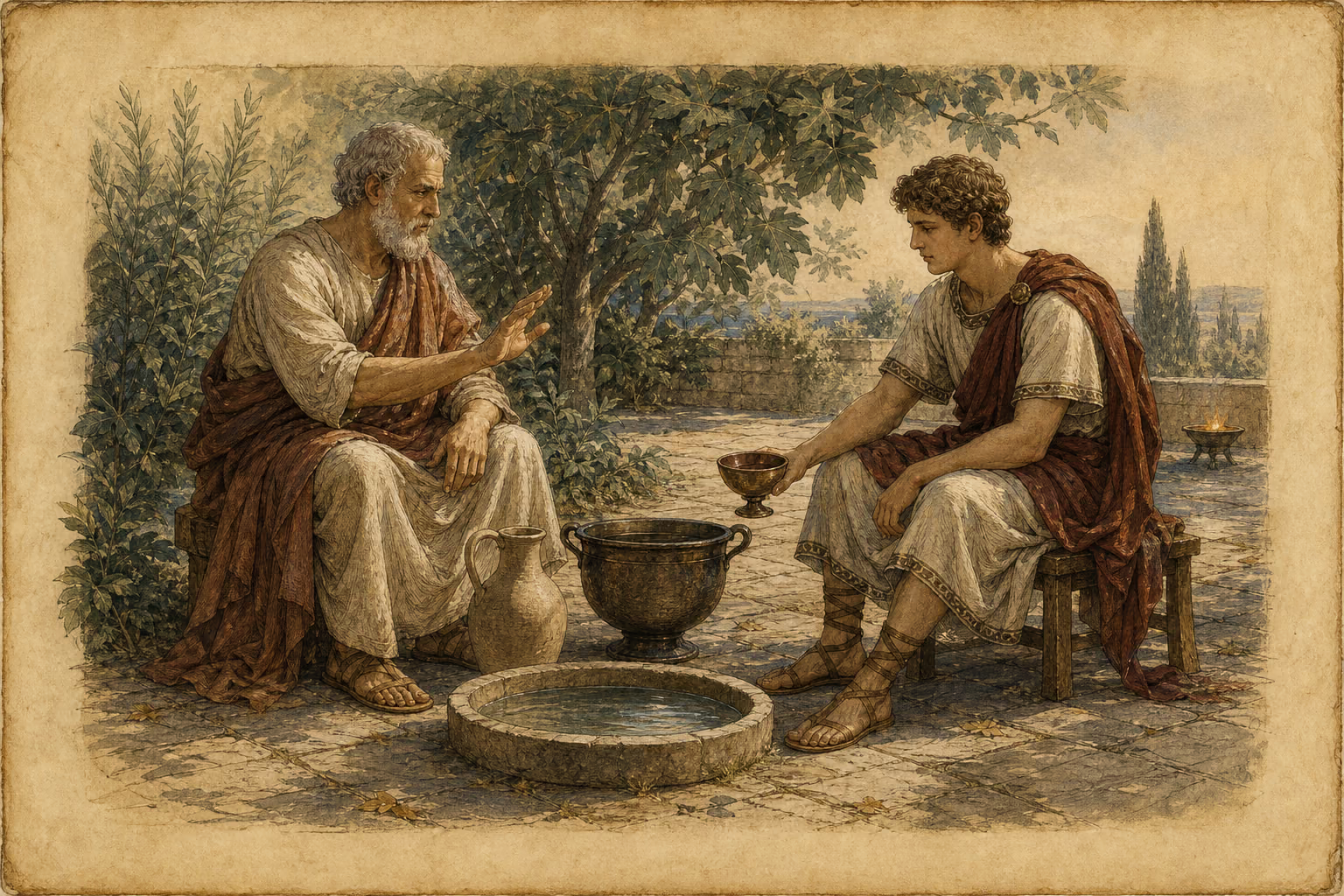
Vino natura est hausto accendendi calore viscera intus, foris infuso refrigerandi. nec alienum fuerit commemorare hoc in loco quod Androcydes sapientia clarus ad Alexandrum Magnum scripsit, intemperantiam eius cohibens: Vinum poturus, rex, memento bibere te sanguinem terrae. Cocita hominis venenum est, cicutae vinum. quibus praeceptis ille si obtemperavisset, profecto amicos in temulentia non interemisset, prorsus ut iure dici possit, neque viribus corporis utilius aliud neque voluptatibus perniciosius, si modus absit.
English · Bostock & Riley 1855–57
It is the property of wine, when drunk, to cause a feeling of warmth in the interior of the viscera, and, when poured upon the exterior of the body, to be cool and refreshing. It will not be foreign to my purpose on the present occasion to state the advice which Androcydes, a man famous for his wisdom, wrote to Alexander the Great, with the view of putting a check on his intemperance: “When you are about to drink wine, O king!” said he, “remember that you are about to drink the blood of the earth: hemlock is a poison to man, wine a poison to hemlock.” And if Alexander had only followed this advice, he certainly would not have had to answer for slaying his friends in his drunken fits. In fact, we may feel ourselves quite justified in saying that there is nothing more useful than wine for strengthening the body, while, at the same time, there is nothing more pernicious as a luxury, if we are not on our guard against excess.