LIBER XV · CAPUT 12
SIX VARIETIES OF THE PEACH
Latine · Mayhoff 1906
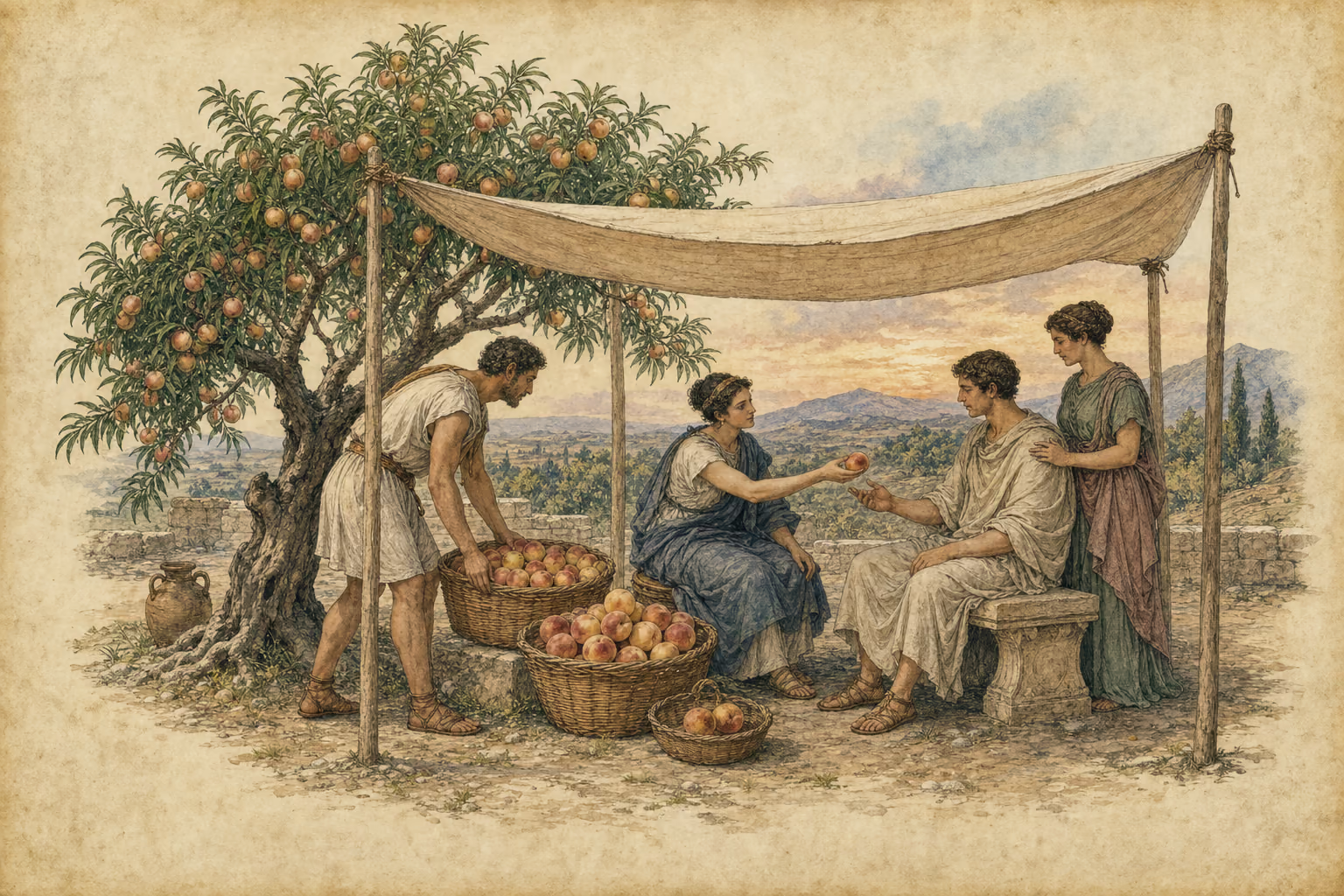
sed Persicorum palma duracinis. nationum habent cognomen Gallica et Asiatica. post autumnum maturescunt Asiatica, aestate praecocia intra XXX annos reperta et primo denariis singula venumdata. supernatia e Sabinis veniunt, popularia undique. pomum innocuum expetitur aegris, pretiumque iam singulis triceni nummi fuere, nullius maiore, quod miremur, quia non aliud fugacius. longissima namque decerpto bidui mora est cogitque se venumdari.
English · Bostock & Riley 1855–57
Among the peaches the palm must be awarded to the duracinus: the Gallic and the Asiatic peach are distinguished respectively by the names of the countries of their origin. They ripen at the end of autumn, though some of the early kinds are ripe in the summer. It is only within the last thirty years that these last have been introduced; originally they were sold at the price of a denarius a piece. Those known as the “supernatia” come from the country of the Sabines, but the “popularia” grow everywhere. This is a very harmless fruit, and a particular favourite with invalids: some, in fact, have sold before this as high as thirty sesterces apiece, a price that has never been exceeded by any other fruit. This, too, is the more to be wondered at, as there is none that is a worse keeper: for, when it is once plucked, the longest time that it will keep is a couple of days; and so sold it must be, fetch what it may.