LIBER XVI · CAPUT 11
METHODS OF MAKING TAR—HOW CEDRIUM IS MADE
Latine · Mayhoff 1906
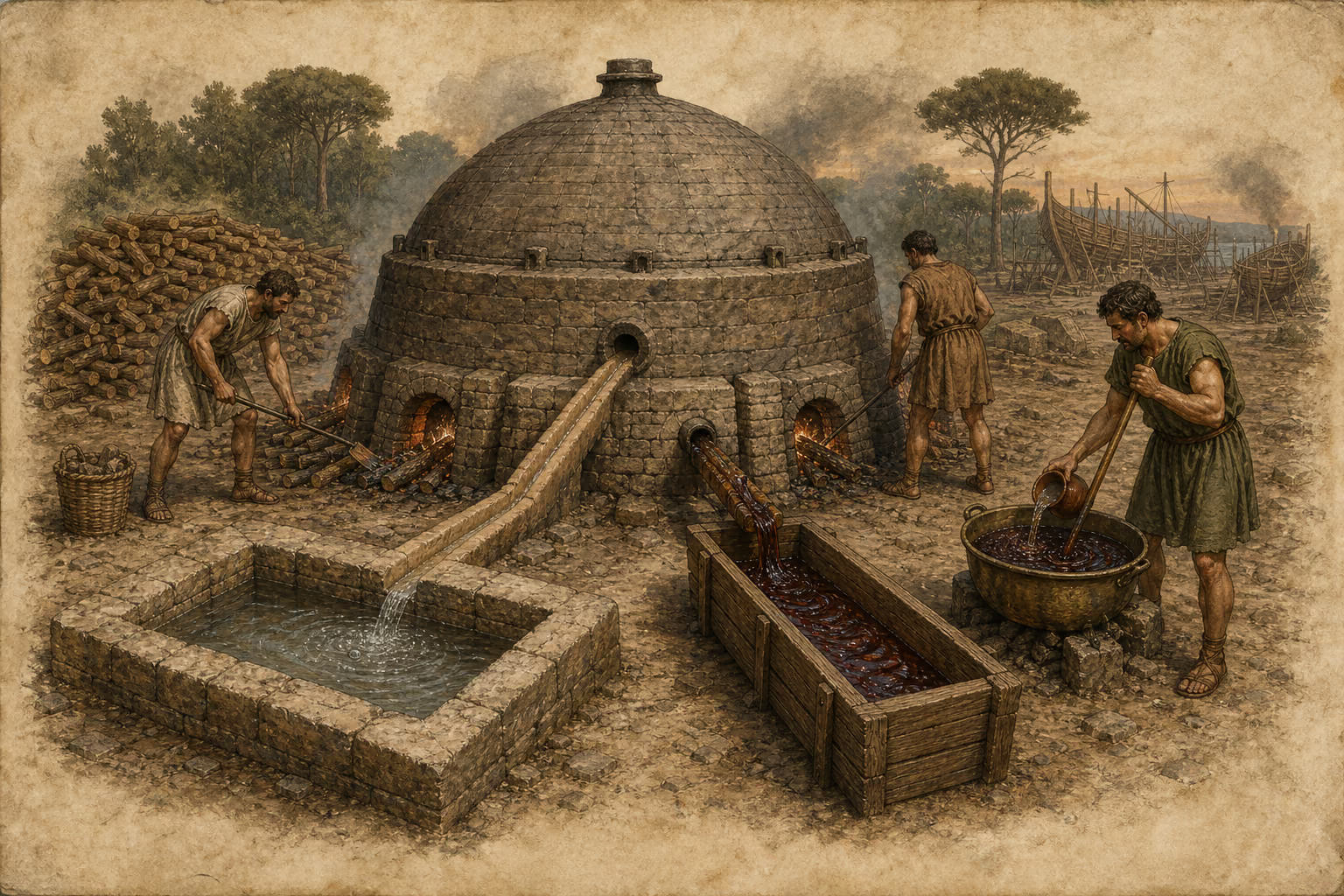
Pix liquida in Europa e taeda coquitur, navalibus muniendis multosque alios ad usus. lignum eius concisum furnis undique igni extra circumdato fervet. primus sudor aquae modo fluit canali. hoc in Syria cedrium vocatur, cui tanta vis est, ut in Aegypto corpora hominum defunctorum perfusa eo serventur.
Sequens liquor crassior iam picem fundit. haec rursus in cortinas aereas coniecta aceto spissatur ut coagulo et Bruttiae cognomen accepit, doliis dumtaxat vasisque ceteris utilis, lentore ab alia pice differens, item colore rutilante et quod pinguior est reliqua omni. illa fit e piceae resina ferventibus coacta lapidibus in alveis validi roboris aut, si alvei non sint, struiscongerie, velut in carbonis usu. haec in vinum additur farinae modo tusa, nigrior colore. eadem resina si cum aqua lenius decoquatur coleturque, rufo colore lentescit ac stillaticia vocatur. seponuntur autem ad id fere vitia resinae cortexque. alia temperies ad crapulam. namque flos crudus resinae cum multa astula tenui brevique avulsus conciditur ad cribrum minuta. dein ferventi aqua, done coquatur, perfunditur.
Huius expressum pingue praecipua resina fit atque rara nec nisi paucis in locis subalpinae Italiae, conveniens medicis. resinae albae congium in II aquae pluviae cocunt. alii utilius putant sine aqua coquere lento igne toto die, utique vase aeris albi, item terebinthinam in sartagine cinere ferventi, hanc ceteris praeferentes. proxima e lentisco.
English · Bostock & Riley 1855–57
In Europe, tar is extracted from the torch-tree by the agency of fire; it is employed for coating ships and for many other useful purposes. The wood of the tree is chopped into small billets, and then put into a furnace, which is heated by fires lighted on every side. The first steam that exudes flows in the form of water into a reservoir made for its reception: in Syria this substance is known as “cedrium;” and it possesses such remarkable strength, that in Egypt the bodies of the dead, after being steeped in it, are preserved from all corruption.
The liquid that follows is of a thicker consistency, and constitutes pitch, properly so called. This liquid, thrown again into a brazen cauldron, and mixed with vinegar, becomes still thicker, and when left to coagulate, receives the name of “Bruttian” pitch. It is used, however, only for pitching the insides of dolia and other vessels, it differing from the other kinds in being more viscous, of a redder colour, and more unctuous than is usually the case. All these varieties of pitch are prepared from the pitch-tree, by putting red-hot stones, with the resinous wood, in troughs made of strong oak; or if these troughs are not attainable, by piling up billets of the wood in the method employed for the manufacture of charcoal. It is this pitch that is used for seasoning wine, being first pounded and reduced to a fine powder: it is of a blacker colour, too, than the other sort. The same resin, if boiled gently with water, and then strained off, becomes viscous, and assumes a red colour; it is then known as “distilled pitch:” for making this, the refuse portions of the resin and the bark of the tree are generally selected.
Another method is adopted for the manufacture of that used as crapula. Raw flower of resin is taken, direct from the tree, with a plentiful sprinkling of small, thin chips of the wood. These are then pounded down and passed through a sieve, after which they are steeped in water, which is heated till it comes to a boil. The unctuous portion that is extracted from this is the best resin: it is but rarely to be met with, and then only in a few places in Italy, in the vicinity of the Alps: it is in considerable request for medicinal purposes. For this, they generally boil a congius of white resin to two congii of rain-water: some persons, however, think it better to boil it without water for one whole day by a slow fire, taking care to use a vessel of white copper. Some, again, are in the habit of boiling the resin of the terebinth in a flat pan placed upon hot ashes, and prefer it to any other kind. The resin of the mastich is held in the next degree of estimation.