LIBER XXII · CAPUT 1
PLANTS USED BY NATIONS FOR THE ADORNMENT OF THE PERSON
Latine · Mayhoff 1906
Implesse poterant miraculum sui natura atque tellus reputantium vel prioris tantum voluminis dotes totque genera herbarum utilitatibus hominum aut voluptatibus genita. sed quanto plura restant quantoque mirabiliora inventu! illa enim maiore in parte cibi aut odoris decorisve commendatio ad numerosa experimenta duxit; reliquarum potentia adprobat, nihil ab rerum natura sine aliqua occultiore causa gigni.
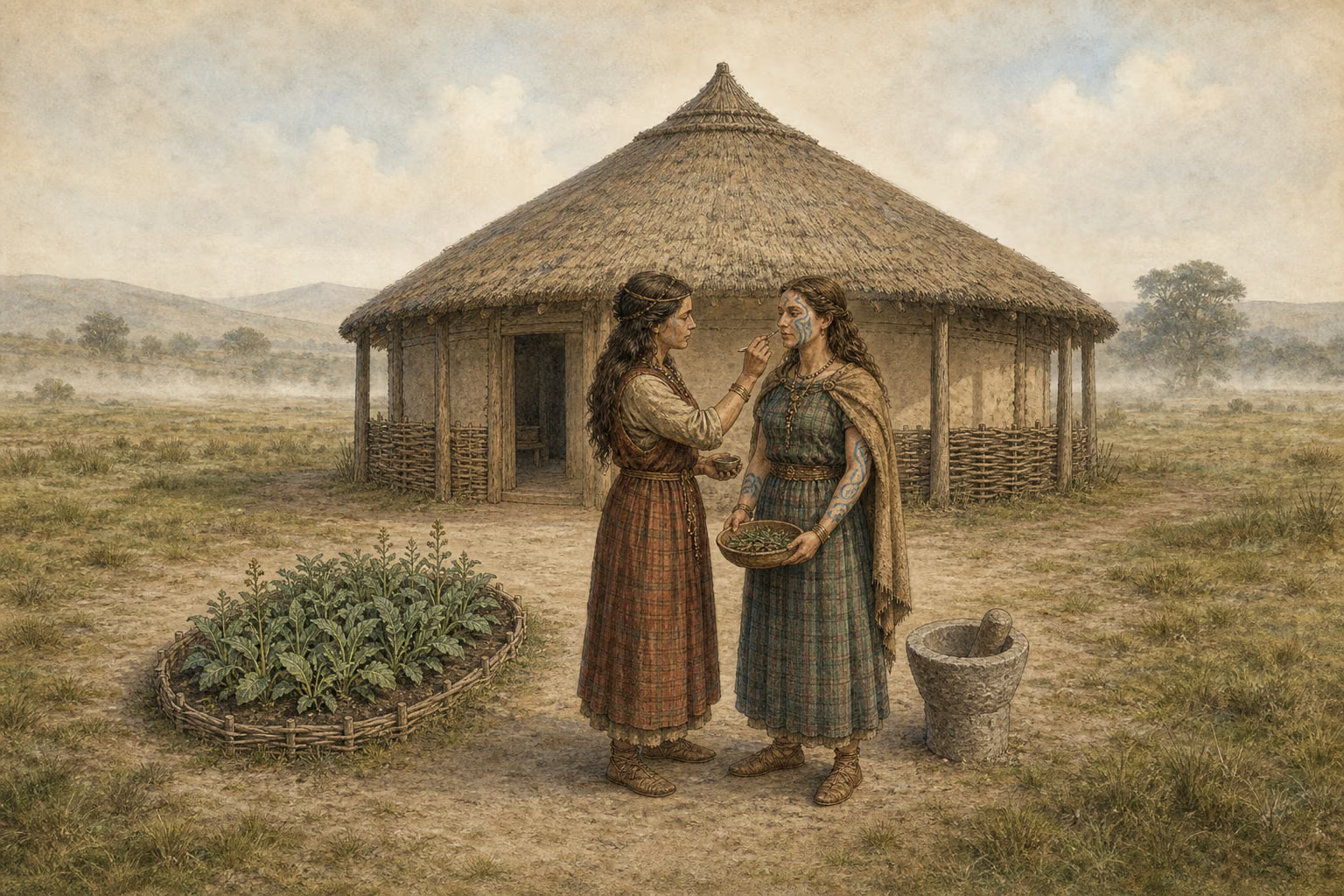
Equidem et formae gratia ritusque perpetui in corporibus suis aliquas exterarum gentium uti herbis quibusdam adverto animo. inlinunt certe aliis aliae faciem in populis barbarorum feminae; maresque etiam apud Dacos et Sarmatas corpora sua inscribunt. simili plantagini —glastum in Gallia vocatur—Britannorum coniuges nurusque toto corpore oblitae quibusdam in sacris nudae incedunt, Aethiopum colorem imitantes.
English · Bostock & Riley 1855–57
Nature and the earth might have well filled the measure of our admiration, if we had nothing else to do but to consider the properties enumerated in the preceding Book, and the numerous varieties of plants that we find created for the wants or the enjoyment of mankind. And yet, how much is there still left for us to describe, and how many discoveries of a still more astonishing nature! The greater part, in fact, of the plants there mentioned recommend themselves to us by their taste, their fragrance, or their beauty, and so invite us to make repeated trials of their virtues: but, on the other hand, the properties of those which remain to be described, furnish us with abundant proof that nothing has been created by Nature without some purpose to fulfil, unrevealed to us though it may be.
I remark, in the first place, that there are some foreign nations which, in obedience to long-established usage, employ certain plants for the embellishment of the person. That, among some barbarous peoples, the females stain the face by means of various plants, there can be little doubt, and among the Daci and the Sarmatæ we find the men even marking their bodies. There is a plant in Gaul, similar to the plantago in appearance, and known there by the name of “glastum:” with it both matrons and girls among the people of Britain are in the habit of staining the body all over, when taking part in the performance of certain sacred rites; rivalling hereby the swarthy hue of the Æthiopians, they go in a state of nature.