LIBER XXIII · CAPUT 5
THE PALM WHICH PRODUCES MYROBALANUM: THREE REMEDIES
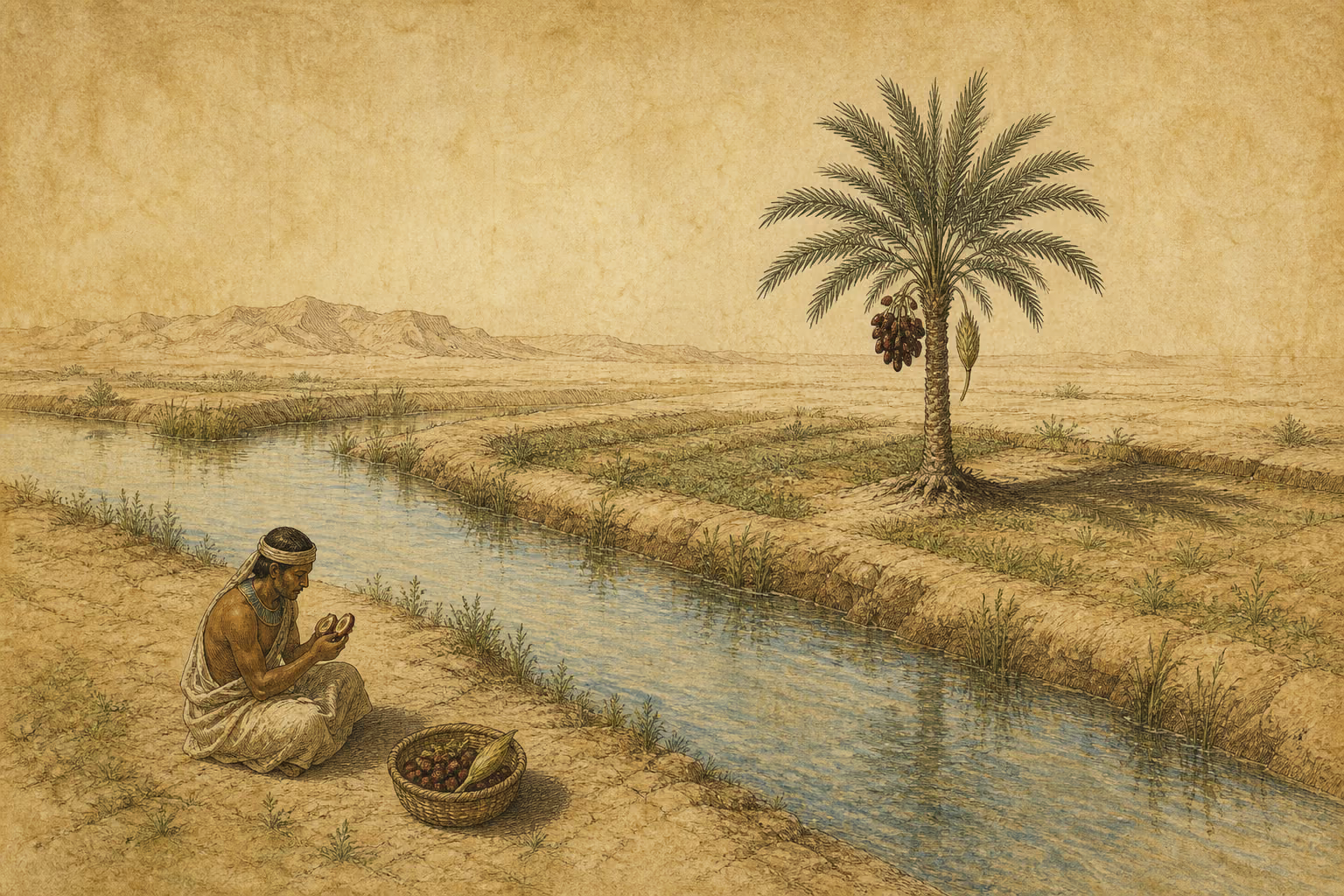
Latine · Mayhoff 1906
Palma, quae fert myrobalanum, probatissima in Aegypto, ossa non habet reliquarum modo in balanis. alvum et menses ciet in vino austero et vulnera conglutinat.
Palma elate sive spathe medicinae confert germina, folia, corticem. folia inponuntur praecordiis, stomacho, iocineri, ulceribus, quae serpunt cicatrici repugnantia. psoras cortex eius tener cum resina et cera sanat diebus XX. decoquitur et ad testium vitia. capillum denigrat. suffitu partus extrahit. datur bibendus renium vitiis et vesicae et praecordiorum, capiti et nervis inimicus. vulvae ac ventris fluctiones sistit decoctum eius; item cinis et tormina, potus in vino albo in vulvarum vitiis efficacissimus.
English · Bostock & Riley 1855–57
Of the palm which produces myrobalanum, the most esteemed kind is that grown in Egypt; the dates of which, unlike those of the other kinds, are without stones. Used with astringent wine, they arrest diarrhœa and the catamenia, and promote the cicatrization of wounds.
The palm called “elate,” or “spathe,” furnishes its buds, leaves, and bark for medicinal purposes. The leaves are applied to the thoracic regions, stomach, and liver, and to spreading ulcers, but they are adverse to cicatrization. The bark of the tree, while tender, mixed with wax and resin, heals itch-scab in the course of twenty days: a decoction, also, is made of it for diseases of the testes. Used as a fumigation, it turns the hair black, and brings away the fœtus. It is given in drink, also, for diseases of the kidneys, bladder, and thoracic organs; but it acts injuriously upon the head and nerves. The decoction of this bark has the effect, also, of arresting fluxes of the uterus and the bowels: the ashes of it are used with white wine for griping pains in the stomach, and form a very efficacious remedy for affections of the uterus.