LIBER XXIV · CAPUT 2
THE LOTUS OF ITALY: SIX REMEDIES
Latine · Mayhoff 1906
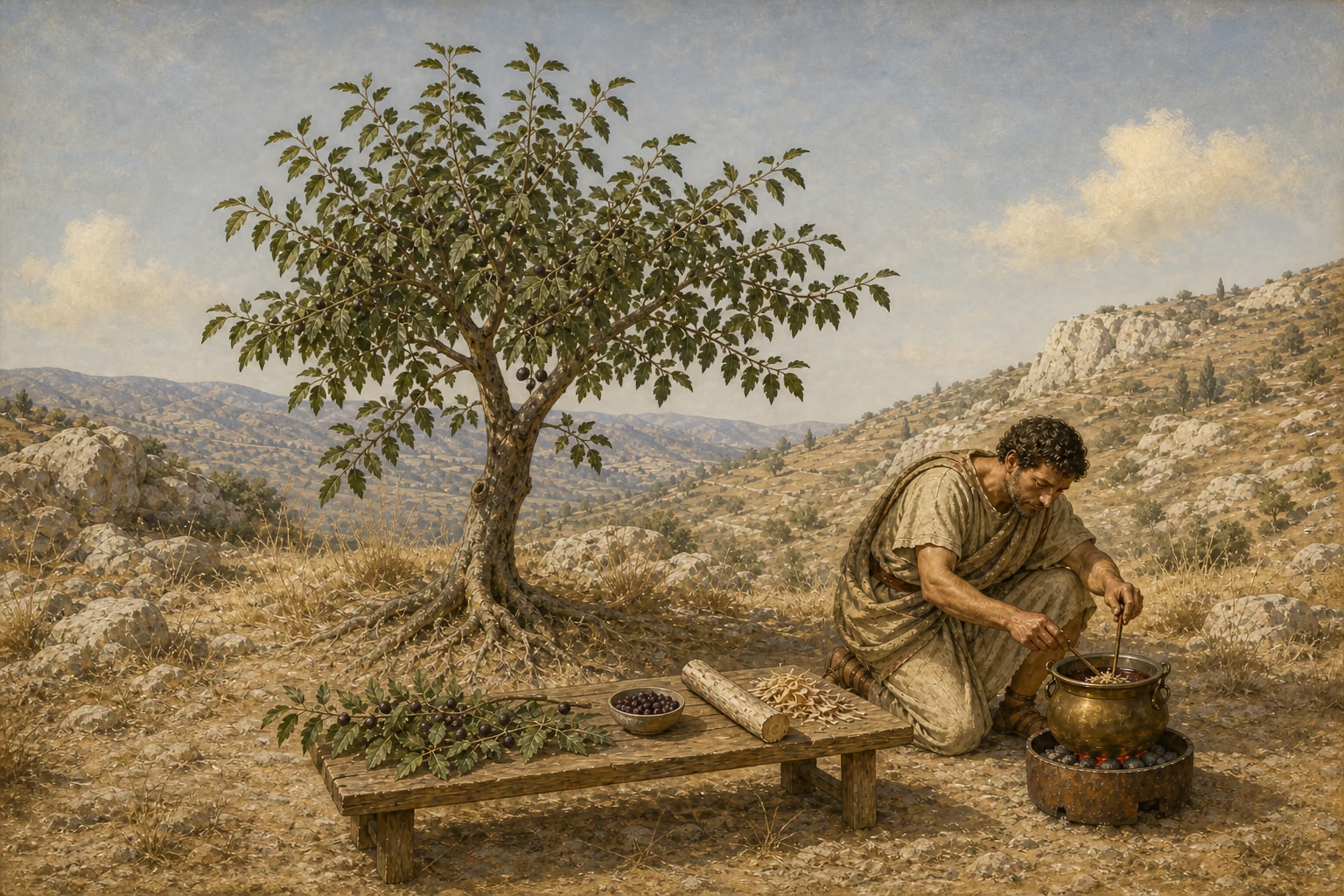
Loton herbam itemque Aegyptiam eodem nomine, alias et Syrticam arborem, diximus suis locis. haec lotos, quae faba Graeca appellatur a nostris, alvum bacis sistit. ramenta ligni decocta in vino prosunt dysintericis, menstruis, vertigini, comitialibus, cohibent et capillum. mirum his ramentis nihil esse amarius fructuque dulcius. fit et e scobe eius medicamentum ex aqua myrti 5 decocta subacta et divisa in pastillos, dysintericis utilissimum pondere victoriati cum aquae cyathis III.
English · Bostock & Riley 1855–57
We have already spoken in their appropriate places of the herb called lotus, and of the plant of Egypt known by the same name and as the “tree of the Syrtes.” The berries of the lotus, which is known among us as the “Grecian bean,” act astringently upon the bowels; and the shavings of the wood, boiled in wine, are useful in cases of dysentery, excessive menstruation, vertigo, and epilepsy: they also prevent the hair from falling off. It is a marvellous thing—but there is no substance known that is more bitter than the shavings of this wood, or sweeter than the fruit. The sawdust also of the wood is boiled in myrtle-water, and then kneaded and divided into lozenges, which form a medicament for dysentery of remarkable utility, being taken in doses of one victoriatus, in three cyathi of water.