LIBER XXIV · CAPUT 3
ACORNS: THIRTEEN REMEDIES
Latine · Mayhoff 1906
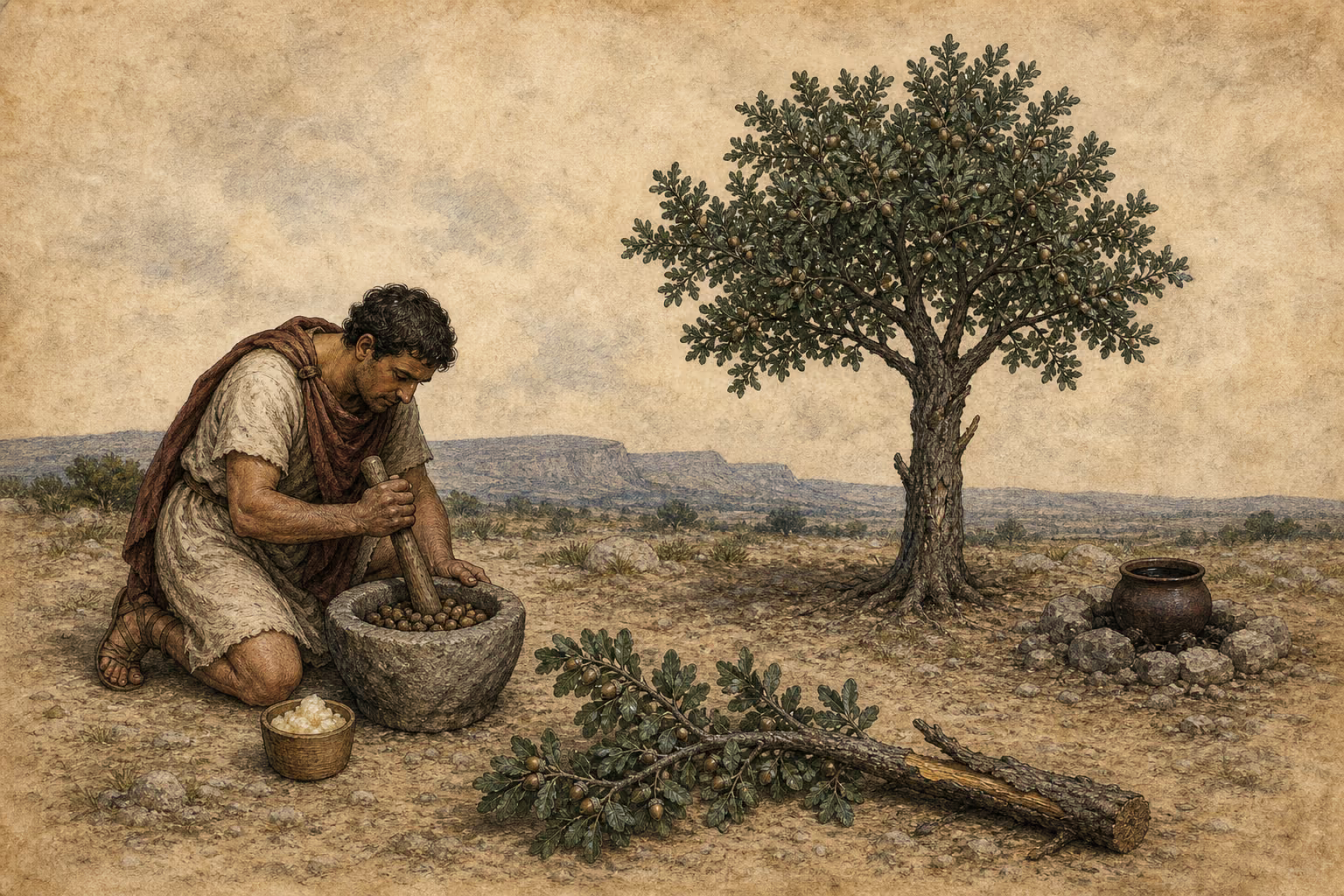
Glans intrita duritias, quas cacoēthe vocant, cum salsa axungia sanat. vehementiores iligna et in omnibus cortex ipse corticique tunica subiecta. haec decocta iuvat coeliacos. dysintericis et inlinitur vel ipsa glans. eadem resistit serpentium ictibus, rheumatismis, suppurationibus. folia et bacae vel cortex vel sucus decocti prosunt contra toxica. cortex inlinitur decoctus lacte vaccino serpentis plagae; datur et ex vino dysintericis. eadem et ilici vis.
English · Bostock & Riley 1855–57
Acorns, pounded with salted axle-grease, are curative of those indurations known as “cacoethe.” The acorn of the holm-oak, however, is the most powerful in its effects; and in all these trees the bark is still more efficacious, as well as the inner membrane which lies beneath it. A decoction of this last is good for cœliac affections; and it is applied topically in cases of dysentery, as well as the acorns, which are employed also for the treatment of stings inflicted by serpents, fluxes, and suppurations. The leaves, acorns, and bark, as well as a decoction prepared from them, are good as counter-poisons. A decoction of the bark, boiled in cows’ milk, is used topically for stings inflicted by serpents, and is administered in wine for dysentery. The holm-oak is possessed of similar properties.