LIBER XXVII · CAPUT 6
ALUM, ALSO CALLED SYMPHYTON PETRÆON: FOURTEEN REMEDIES
Latine · Mayhoff 1906
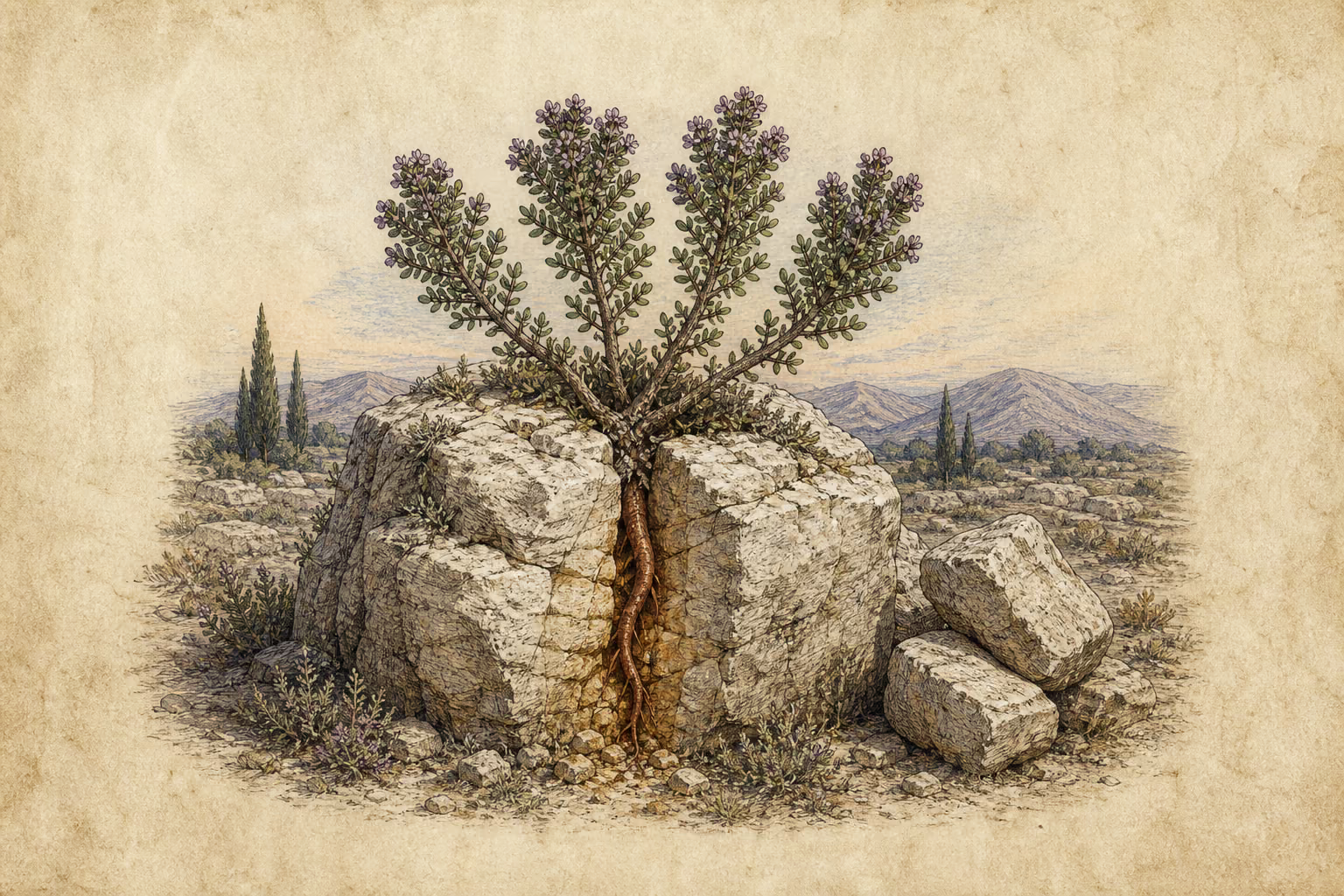
Alum nos vocamus, Graeci symphyton petraeum, simile cunilae bubulae, foliis parvis, ramis III aut IIII a radice, cacuminibus thymi, surculosum, odoratum, gustu dulce, saliva ciens, radice longa, rutila. nascitur in petris, ideo petraeum cognominatum, utilissimum lateribus, renibus, torminibus, pectori, pulmonibus, sanguinem reicientibus, faucibus asperis. bibitur radix trita et in vino decocta, et aliquando superlinitur. quin et commanducata sitim sedat praecipueque pulmonem refrigerat. luxatis quoque inponitur et contusis, lenit interanea. alvum sistit cocta in cinere detractisque folliculis trita cum piperis granis VIIII et ex aqua pota. volneribus sanandis tanta praestantia est, ut carnes quoque, dum cocuntur, conglutinet addita, unde et Graeci nomen inposuere. ossibus quoque fractis medetur,
English · Bostock & Riley 1855–57
The plant which we call “alum,” and which is known to the Greeks as “symphyton petræon,” is similar to cunila bubula in appearance, having a diminutive leaf and three or four branches springing from the root, with tops like those of thyme. It is a ligneous plant, odoriferous, of a sweet flavour, and provocative of saliva: the root of it is long and red. It grows upon rocks, to which circumstance it is indebted for its additional name of “petræon;” and is extremely useful for affections of the sides and kidneys, griping pains in the bowels, diseases of the chest and lungs, spitting of blood, and eruptions of the fauces. The root is pounded and taken in drink, or else a decoction is made of it in wine; sometimes, also, it is applied externally. Chewed, it allays thirst, and is particularly refreshing to the pulmonary organs. It is employed topically for sprains and contusions, and has a soothing effect upon the intestines.
Cooked upon hot ashes, with the follicules removed, and then beaten up with nine peppercorns and taken in water, it acts astringently upon the bowels. For the cure of wounds it is remarkably efficacious, being possessed of agglutinating properties to such a remarkable degree as to solder pieces of meat together with which it is boiled; to which, in fact, it is indebted for its Greek name. It is used also for the cure of fractured bones.