LIBER XXXIII · CAPUT 9
MIRRORS
Latine · Mayhoff 1906
lamnas duciin speciemvitri non nisi ex optimo posse creditum. fuerat id integrum, sed id quoque iam fraude corrumpitur.
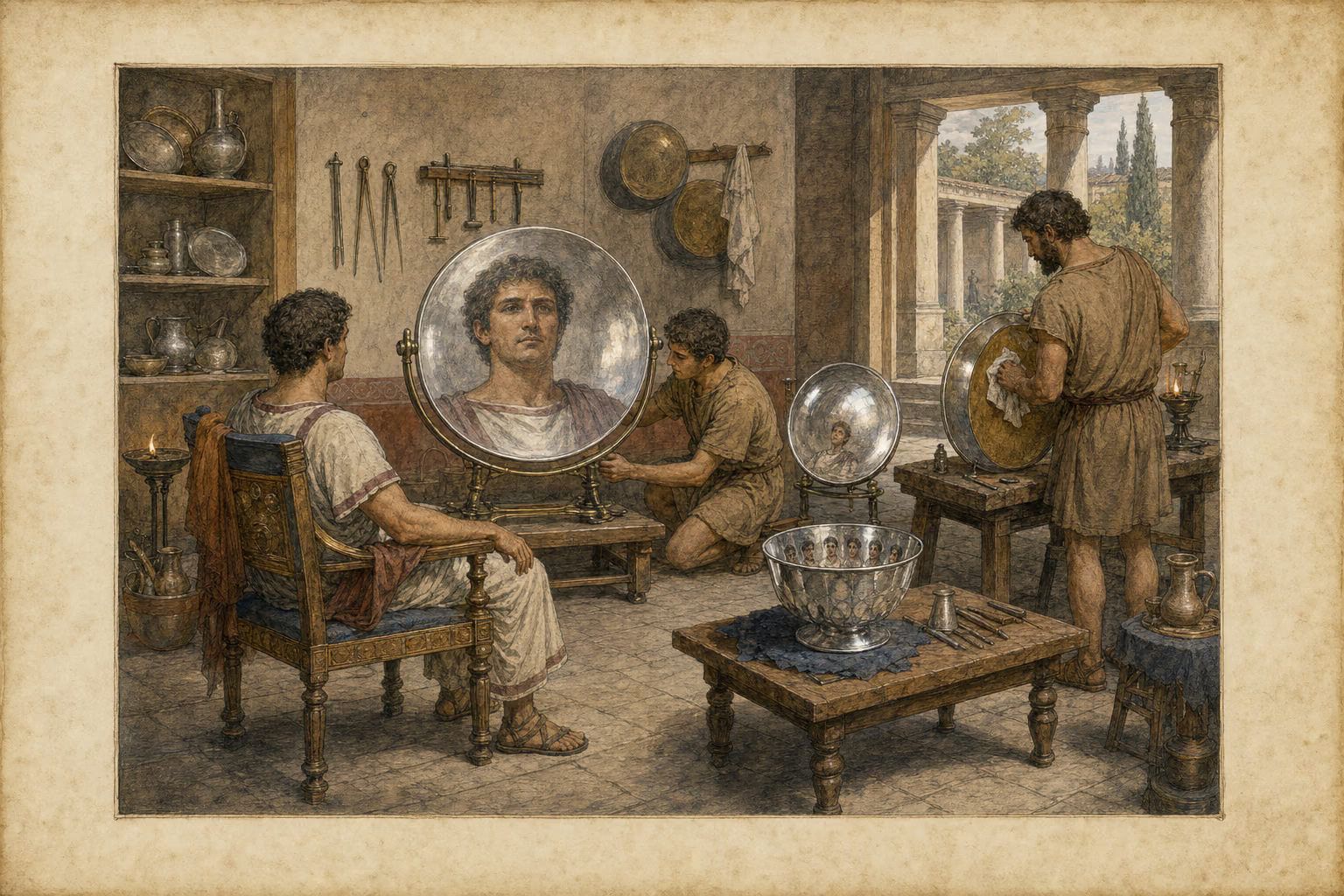
Est natura mira imagines reddendi, quod repercusso aëre atque in oculos regesto fieri convenit. eadem vi sic in speculi usu polita crassitudine paulumque propulsa dilatatur in inmensum magnitudo imaginum. tantum interest, repercussum illum excipiat an respuat. quin etiam pocula ita figurantur expulsis intus crebris ceu speculis, ut vel uno intuente totidem populus imaginum fiat. excogitantur et monstrifica, ut in templo Zmyrnae dicata. id evenit figura materiae. plurimum refert concava sint et poculi modo an parmae Threcidicae, media depressa an elata, transversa an obliqua, supina an infesta, qualitate excipientis figurae torquente venientes umbras; neque enim est aliud illa imago quam digesta claritate materiae accipientis umbra. atque ut omnia de speculis peragantur in hoc loco, optima aput maiores fuerant Brundisina, stagno et aere mixtis. praelata sunt argentea; primus fecit Pasiteles Magni Pompei aetate. nuper credi coeptum certiorem imaginem reddi auro opposito aversis.
Tinguit Aegyptus argentum, ut in vasis Anubim suum spectet, pingitque, non caelat, argentum. unde transiit materia et ad triumphales statuas; mirumque, crescit pretium fulgoris excaecati. id autem fit hoc modo: miscentur argento tertiae aeris Cyprii tenuissimi, quod coronarium vocant, et sulpuris vivi quantum argenti; conflantur ita in fictili circumlito argilla; modus coquendi, donec se ipsa opercula aperiant. nigrescit et ovi indurati luteo, ut tamen aceto et creta deteratur.
Miscuit denario triumvir Antonius ferrum, miscent aera falsae monetae, alii et ponderi subtrahunt, cum sit iustum LXXXIII e libris signari. igitur ars facta denarios probare, tarn iucunda plebei lege, ut Mario Gratidiano vicatim totas statuas dicaverit. mirumque, in hac artium sola vitia discuntur et falsi denarii spectatur exemplar pluribusque veris denariis adulterinus emitur.
English · Bostock & Riley 1855–57
It is generally supposed among us that it is only the very finest silver that admits of being laminated, and so converted into mirrors. Pure silver was formerly used for the purpose, but, at the present day, this too has been corrupted by the devices of fraud. But, really, it is a very marvellous property that this metal has, of reflecting objects; a property which, it is generally agreed, results from the repercussion of the air, thrown back as it is from the metal upon the eyes. The same too is the action that takes place when we use a mirror. If, again, a thick plate of this metal is highly polished, and is rendered slightly concave, the image or object reflected is enlarged to an immense extent; so vast is the difference between a surface receiving, and throwing back the air. Even more than this—drinking-cups are now made in such a manner, as to be filled inside with numerous concave facets, like so many mirrors; so that if but one person looks into the interior, he sees reflected a whole multitude of persons.
Mirrors, too, have been invented to reflect monstrous forms; those, for instance, which have been consecrated in the Temple at Smyrna. This, however, all results from the configuration given to the metal; and it makes all the difference whether the surface has a concave form like the section of a drinking cup, or whether it is [convex] like a Thracian buckler; whether it is depressed in the middle or elevated; whether the surface has a direction transversely or obliquely; or whether it runs horizontally or vertically; the peculiar configuration of the surface which receives the shadows, causing them to undergo corresponding distortions: for, in fact, the image is nothing else but the shadow of the object collected upon the bright surface of the metal.
However, to finish our description of mirrors on the present occasion—the best, in the times of our ancestors, were those of Brundisium, composed of a mixture of stannum and copper: at a later period, however, those made of silver were preferred, Pasiteles being the first who made them, in the time of Pompeius Magnus. More recently, a notion has arisen that the object is reflected with greater distinctness, by the application to the back of the mirror of a layer of gold.
The people of Egypt stain their silver vessels, that they may see represented in them their god Anubis; and it is the custom with them to paint, and not to chase, their silver. This usage has now passed to our own triumphal statues even; and, a truly marvellous fact, the value of silver has been enhanced by deadening its brilliancy. The following is the method adopted: with the silver are mixed two-thirds of the very finest Cyprian copper, that known as “coronarium,” and a proportion of live sulphur equal to that of the silver. The whole of these are then melted in an earthen vessel well luted with potter’s clay, the operation being completed when the cover becomes detached from the vessel. Silver admits also of being blackened with the yolk of a hard-boiled egg; a tint, however, which is removed by the application of vinegar and chalk.
The Triumvir Antonius alloyed the silver denarius with iron: and in spurious coin there is an alloy of copper employed. Some, again, curtail the proper weight of our denarii, the legitimate proportion being eighty-four denarii to a pound of silver. It was in consequence of these frauds that a method was devised of assaying the denarius: the law ordaining which was so much to the taste of the plebeians, that in every quarter of the City there was a full-length statue erected in honour of Marius Gratidianus. It is truly marvellous, that in this art, and in this only, the various methods of falsification should be made a study: for the sample of the false denarius is now an object of careful examination, and people absolutely buy the counterfeit coin at the price of many genuine ones!