LIBER V · CAPUT 3
NUMIDIA
Latine · Mayhoff 1906
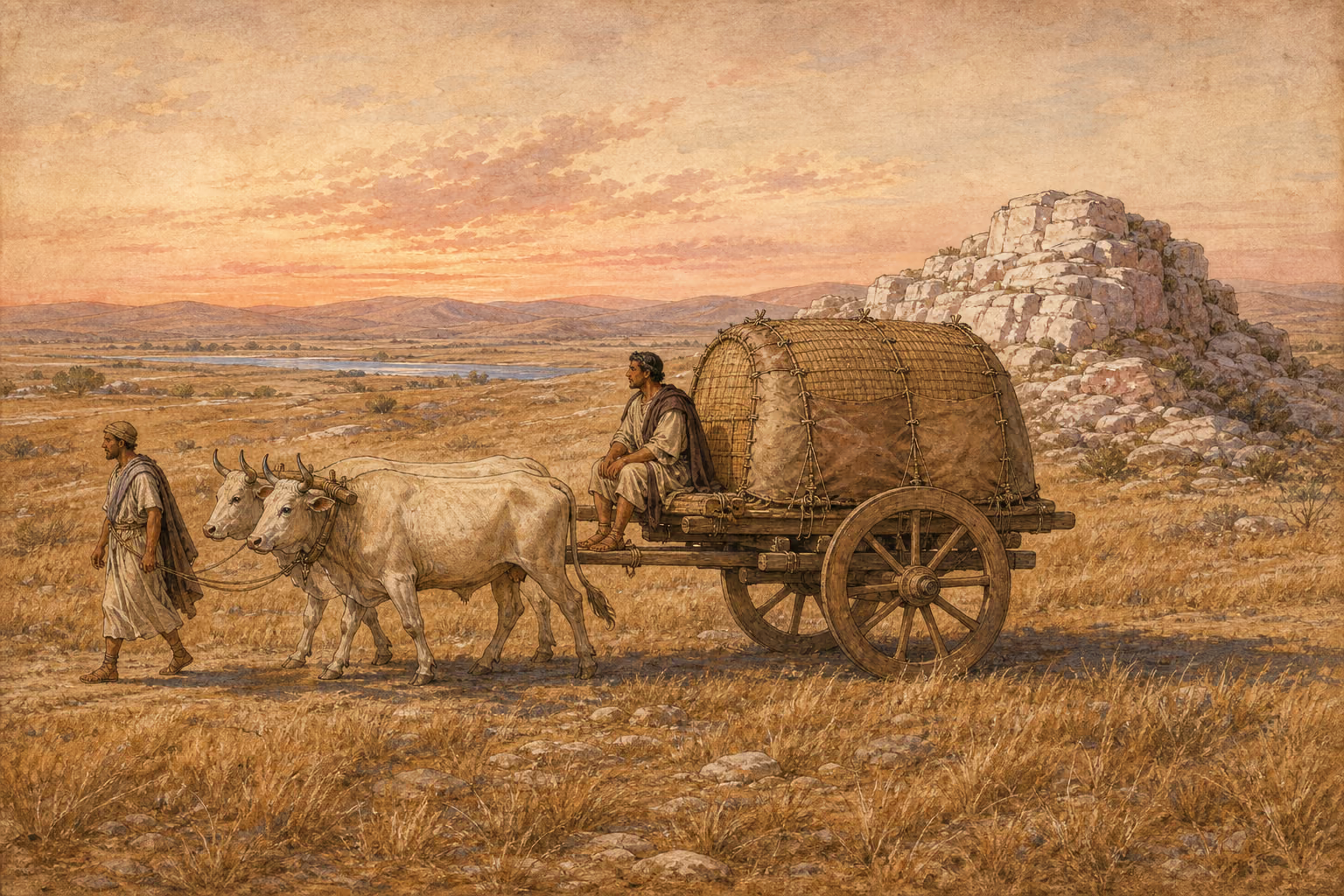
Ab Ampsaga Numidia est, Masinissae clara nomine, Metagonitis terra a Graecis appellata, Numidae vero Nomades a permutandis pabulis, mapalia sua, hoc est domos, plaustris circumferentes. oppida Chullu, Rusicade, et ab eo adXLVIII in mediterraneo colonia Cirta Sittianorum cognomine, et alia intus Sicca liberumque oppidum Bulla Regia. at in ora Tacatua, Hippo Regius, flumen Armua, oppidum Thabraca civium Romanorum, Tusca fluvius, Numidiae finis. nec praeter marmoris Numidici ferarumque proventum aliud insigne ei.
English · Bostock & Riley 1855–57
At the river Ampsaga Numidia begins, a country rendered illustrious by the fame of Masinissa. By the Greeks this region was called Metagonitis; and the Numidians received the name of “Nomades” from their frequent changes of pasturage; upon which occasions they were accustomed to carry their mapalia, or in other words, their houses, upon waggons. The towns of this country are Cullu and Rusicade; and at a distance of forty-eight miles from the latter, in the interior, is the colony of Cirta, surnamed “of the Sitiani;” still more inland is another colony called Sicca, with the free town of Bulla Regia. On the coast are Tacatua, Hippo Regius, the river Armua, and the town of Tabraca, with the rights of Roman citizens. The river Tusca forms the boundary of Numidia. This country produces nothing remarkable except its marble and wild beasts.