LIBER VI · CAPUT 18
THE GANGES
Latine · Mayhoff 1906
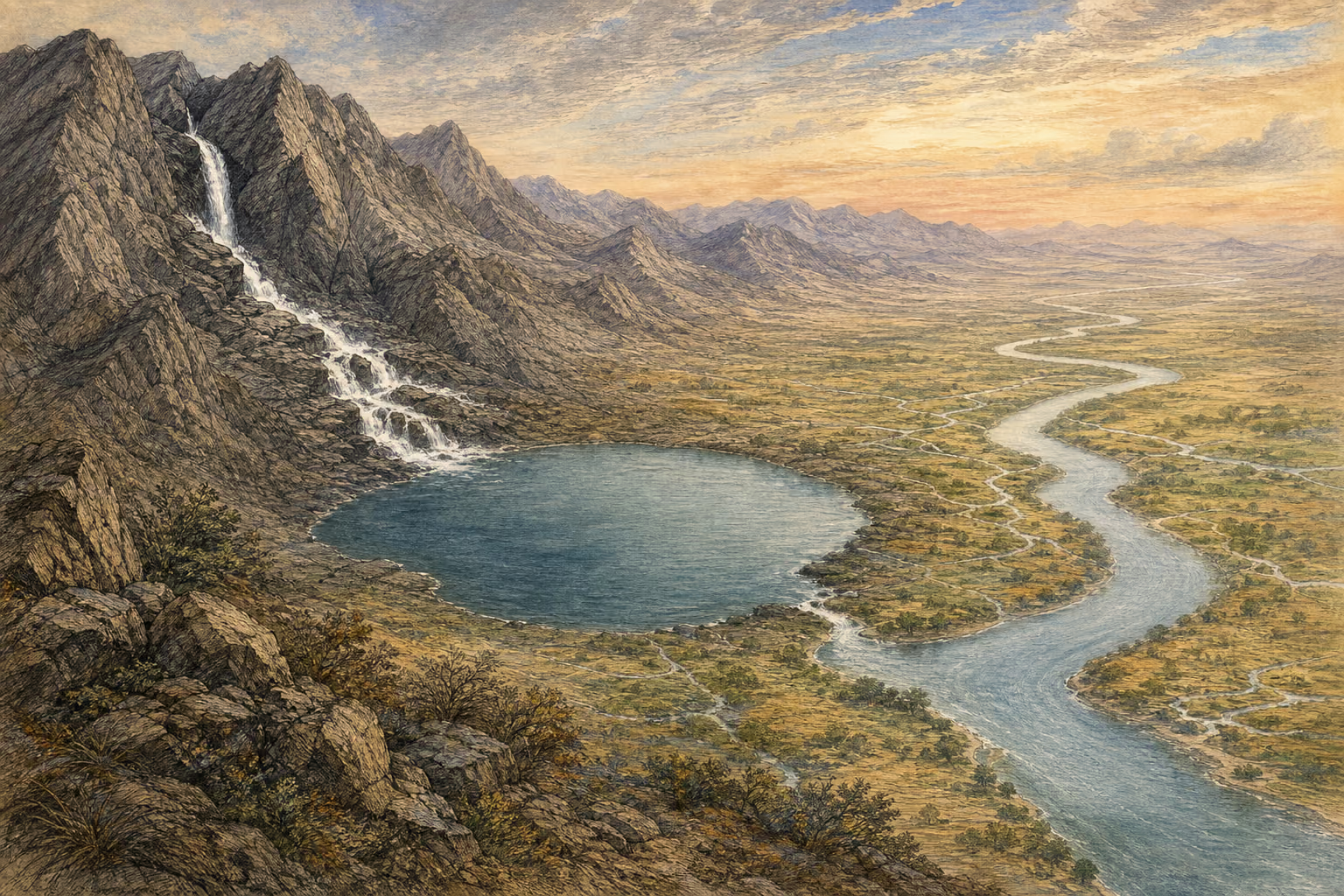
Hunc alii incertis fontibus ut Nilum rigantemque vicina eodem modo, alii in Scythicis montibus nasci dixerunt; influere in eum XVIIII amnes, ex iis navigabiles praeter iam dictos Crenaccam, Rhamnumbovam, Casuagum, Sonum. alii cum magno fragore ipsius statim fontes erumpere, deiectumque per scopulosa et abrupta, ubi primum molles planities contingat, in quodam lacu hospitari, inde lenem fluere, ubi minimum, VIII p. latitudine. ubi modicum, stadiorum C, altitudine nusquam minore passuum XX, novissima gente Gangaridum Calingarum. regia Pertalis vocatur;
English · Bostock & Riley 1855–57
Some writers have stated that this river, like the Nile, takes its rise from unknown sources, and, in a similar manner, waters the neighbouring territory; others, again, say that it rises in the mountains of Scythia. They state also that nineteen rivers discharge their waters into it; those among them that are navigable, besides the rivers already mentioned, are the Condochates, the Erannoboas, the Cosoagus, and the Sonus. Other writers again say that it bursts forth at its very source with a loud noise, hurling itself over rocks and precipices; and that after it has reached the plains, its waters become more tranquil, and it pauses for a time in a certain lake, after which it flows gently on. They say also that it is eight miles in breadth, where it is the very narrowest, and one hundred stadia where it is but moderately wide, and that it is nowhere less than twenty paces in depth. The last nation situate on the banks of the Ganges is that of the Gangarides Calingæ; the city where their king dwells has the name of Protalis.