LIBER VIII · CAPUT 31
BRAMBLE-FROGS
Latine · Mayhoff 1906
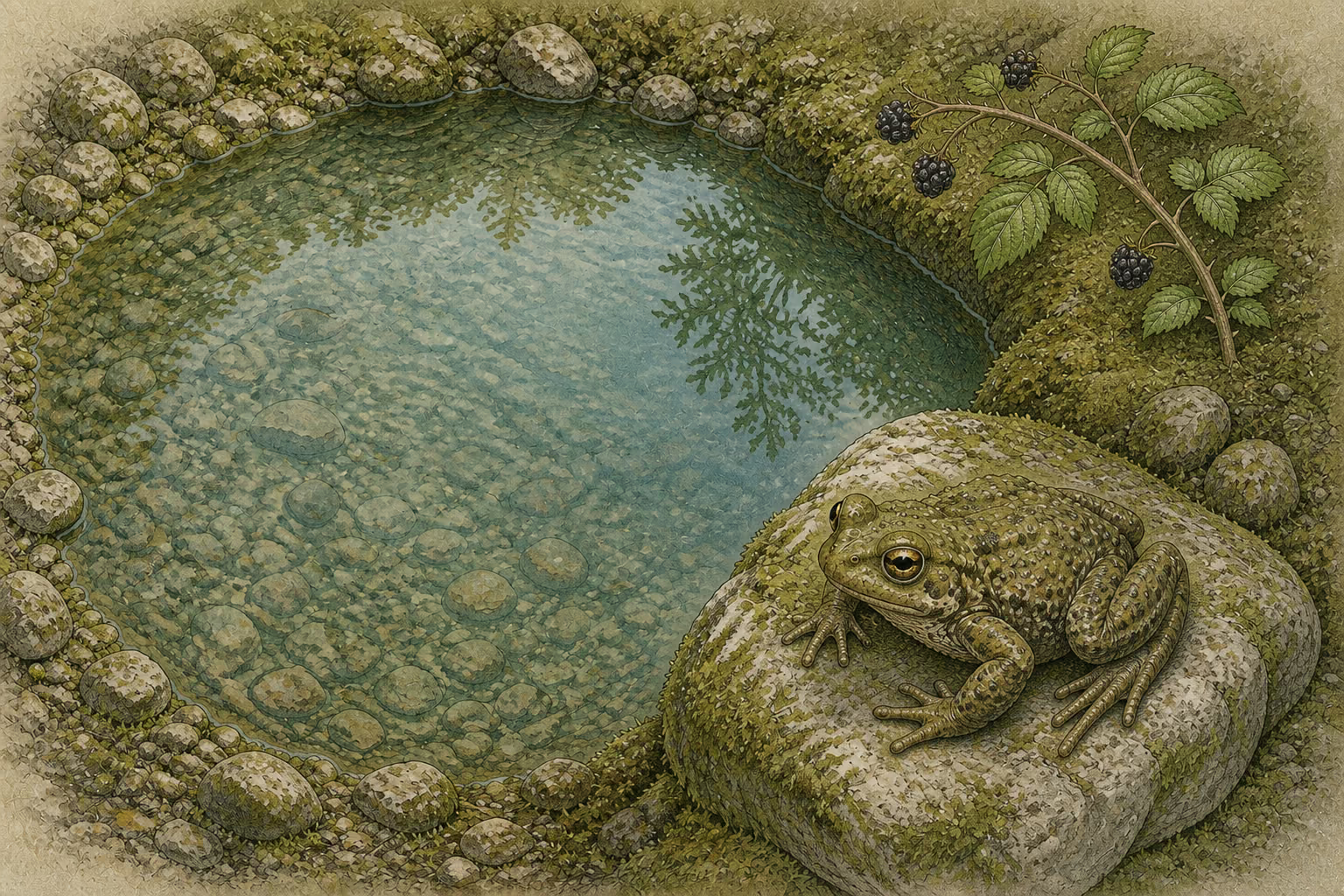
Ranae quoque rubetae, quarum et in terra et in umore vita, plurimis refertae medicaminibus, deponere ea adsidue ac resumere pastu dicuntur, venena tantum semper sibi reservantes.
Similis et vitulo marino victus in mari ac terra, simile fibris et ingenium. evomit fel suum ad multa medicamenta utile, item coagulum ad comitiales morbos, ob ea se peti prudens. Theophrastus auctor est anguis modo et stelliones senectutem exuere itaque protinus devorare praeripientes comitiali morbo remedia. eosdem innocui ferunt in Graecia morsus, noxios esse in Sicilia.
English · Bostock & Riley 1855–57
Bramble-frogs, also, which live both on land and in water, are replete with various medicinal substances, which they are said to discharge each day, and to take in again with their food, of which they only retain the poisonous parts.
The sea-calf, too, lives equally in the sea and on land, being possessed of the same degree of intelligence as the beaver. It vomits forth its gall, which is useful for many purposes in medicine; also the rennet, which serves as a remedy in epilepsy; for it is well aware that it is hunted for these substances. Theophrastus informs us, that lizards also cast their skins like the serpent, and instantly devour them, thus depriving us of a powerful remedy for epilepsy; he says, too, that the bite of the lizard is fatal in Greece, but harmless in Italy.